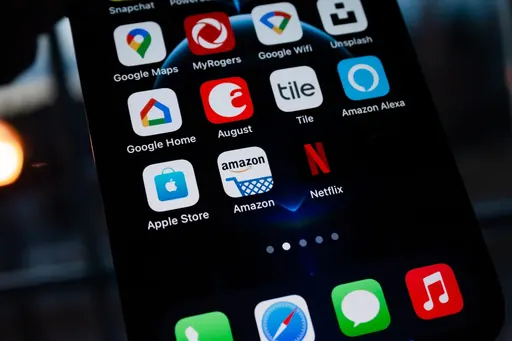
The Role of Social Media in Modern Networking
Social media helps with communication, but it doesn't replace face-to-face meetings.

The Role of Social Media in Modern Networking
Social media helps with communication, but it doesn't replace face-to-face meetings.
Nowadays, social media is everywhere, and it's often used to find work contacts. People find colleagues, partners, or even jobs without leaving home. But online, in my opinion, is just the beginning. Real connections happen when you meet in person. A significant portion of job vacancies are filled through referrals, and platforms like this one play a role. In this article, I'll talk about how to use popular networks to expand your circle. There will be tips and practical examples.
A platform for professional contacts. Publish articles, comment on posts, join discussions.
LinkedIn brings together millions of professionals, from freelancers to executives. It's a place to find jobs, partners, or mentors. To make it work, update your profile. Add a photo, describe your experience in detail, and list your skills. Post regularly: about trends in your field, projects, or your experience. For example, if you're a marketer, share how a campaign increased conversion by 30%. Commenting on others' posts is also important. A good comment can catch a future boss's eye. In groups related to your field, discuss questions to boost your visibility. Tip: send 5-10 invitations once a week. Mention common interests to avoid looking like spam. In the end, you'll gather useful connections that lead to real opportunities.
Visuals for personal branding. Show who you really are, beyond work.
Instagram isn't just for photos; it's suitable for networking through image. Unlike LinkedIn, here you can be informal and show creativity. In Stories or Reels, share your life: conferences, conversations with colleagues, or hobbies related to your profession. For example, a designer might post drawing a logo. A freelancer might show heading to a meeting. This way, people see you as a person, and trust grows. Hashtags like #NetworkingTips or #CareerGrowth attract the right audience. Tip: work with influencers in your field. Tag them or suggest a joint post. Reply to comments and messages to turn followers into real contacts. Instagram helps with informal connections that later translate into business.
Telegram
Channels and chats on specific topics. Easy to find people with similar interests.
Telegram is fast and private, making it convenient for professional discussions. Join groups: for IT, marketing, or startups. Ask a question in a chat, and you'll get an answer almost immediately from knowledgeable people. In an investment chat, discuss fresh ideas. In a freelancer channel, look for collaborators for a project. It's easy to exchange contacts without formality. Tip: start your own channel with tips, announcements, or Q&A sessions. Subscribe to 5-7 relevant groups and be active. Share links to articles or tools. You'll expand your circle and become useful in the community, opening paths to collaboration.
Community Network
A platform with AI-based contact matching, user verification, and events. Suitable if serious connections matter.
Community Network focuses on quality networking. AI matches people based on profiles, interests, and goals, ensuring relevant connections. Users are verified through documents or reviews for safety. There are private events: webinars with experts or in-person meetups in cities. This helps move from chats to real conversations. It's great for those seeking deep contacts. Tip: fill out your profile with details, like "seeking an investor for a fintech project." Follow AI recommendations. Attend one event per month to grow your network faster. The platform only invests time in those who align with your views.
Online/Offline Balance
Networks are good for the first step, but try to meet in person.
Social media simplifies introductions, but real networking requires a balance with in-person meetings. Online finds people, while meetings build trust. After messages on LinkedIn, suggest coffee or a joint webinar. Data shows that 70% of deals close after personal contact. Tip: after 3-5 online conversations, plan a meeting. Look for events via Meetup, Eventbrite, or Telegram groups. After the meeting, send a thank-you note. This way, virtual acquaintances turn into lasting relationships for career and life. In short, networks provide a start, but it's up to you to take it to reality.
Read also
Turn ideas into real connections
Join Community Network to discover communities, meet members in context and take part in events that matter to you.