

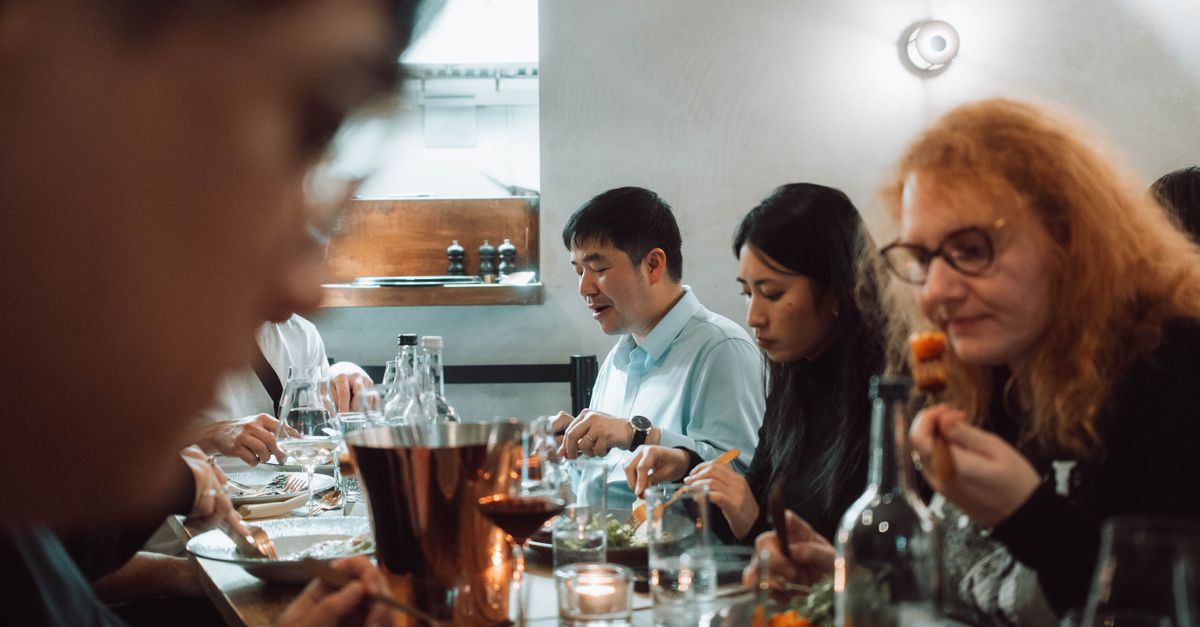
The Boardroom Is Out. The Dining Room Is In.
Something shifted in how professionals meet. The formal conference room with its fluorescent lights and stale air is losing ground to a different setting: restaurants. Not fancy Michelin-starred places with $200 tasting menus. Regular restaurants with good food, comfortable seating, and the right atmosphere for conversation.
A 2024 National Restaurant Association report found that 63% of restaurant operators now actively market their spaces for professional events and meetings. That is up from 38% in 2019.
Why Food Makes Better Conversations
Sharing a meal triggers specific psychological responses that conference rooms cannot replicate.
The breaking bread effect. Researchers at the University of Chicago found that people who eat the same food during a negotiation reach agreement 30% faster and with outcomes both sides rate as fairer. Shared food creates a sense of similarity and cooperation.
Lower cortisol. Eating reduces stress hormones. A stressed brain is a guarded brain. Lower stress means more openness, more candid conversation, and better information exchange.
No clock pressure. A meeting has an end time. A dinner has a natural flow. People relax into conversation when they are not watching the clock.
The Business Lunch Is Back (But Different)
The traditional power lunch of the 1980s was about showing off. Expensive restaurants, expensive wine, expense accounts. The modern version is about connection.
Today's professional meals look like this:
- Casual venues with character. Farm-to-table spots, neighborhood bistros, ramen counters. The food should be good enough to talk about but not so formal that it creates distance.
- Smaller groups. Four to six people instead of ten. Real conversation happens in small circles.
- Curated guest lists. Organizers mix industries and backgrounds intentionally. A fintech founder next to a hospitality designer next to a documentary filmmaker. The unexpected combinations generate the best ideas.
Restaurants Adapting to the Trend
Smart restaurant owners are not waiting for this trend to find them. They are building for it.
- Flexible seating. Communal tables for group networking. Semi-private nooks for smaller meetings.
- Extended hours between lunch and dinner. The 2-5 PM dead zone is becoming "meeting hours" with coffee, light bites, and reduced noise.
- Technology integration. QR code menus, contactless payments, and guest management platforms that handle RSVPs and seating for event organizers.
- Event packages. Fixed-price menus for groups of 8-20, with a dedicated section of the restaurant and sometimes a host or moderator.
Case Study: Supper Clubs in Major Cities
The supper club model — where strangers sign up for a curated dinner — has exploded in popularity.
In London, companies like Smala and Secret Suppers host weekly professional dinners where attendees are matched by interest and industry. Ticket prices range from 40 to 80 pounds, including food and drinks. Wait lists often stretch for months.
In New York, the platform Table for Six matches young professionals for dinners at partner restaurants. Founded in 2022, it served over 50,000 diners in its first two years.
Dubai's networking dinner scene has grown by 300% since 2023, driven by an influx of remote workers and entrepreneurs who crave in-person connection in a new city.
What This Means for Professionals
If you are still networking through LinkedIn messages and webinars, you are missing half the game.
Practical steps:
- Host a monthly professional dinner. Pick a restaurant, invite 5-6 people from different fields, pick up the tab or split it. Cost: less than a conference ticket. Value: incalculable.
- Use community platforms to find restaurant events. Services like Community Network partner with venues to list dinners, tastings, and meetups where the goal is connection.
- Choose your restaurant wisely. Noise level matters. If you have to shout, you cannot connect. Medium volume, warm lighting, and round tables are ideal.
The Restaurant Owner's Opportunity
For restaurants reading this: the professional networking market is a revenue stream waiting to be captured. Empty tables on Tuesday nights can become booked networking dinners. Your afternoon lull can become a meeting hub.
The tools exist. Community platforms can drive bookings. QR-based guest management removes the friction. All you need is the space, the food, and the willingness to think of your restaurant as more than just a place to eat.


