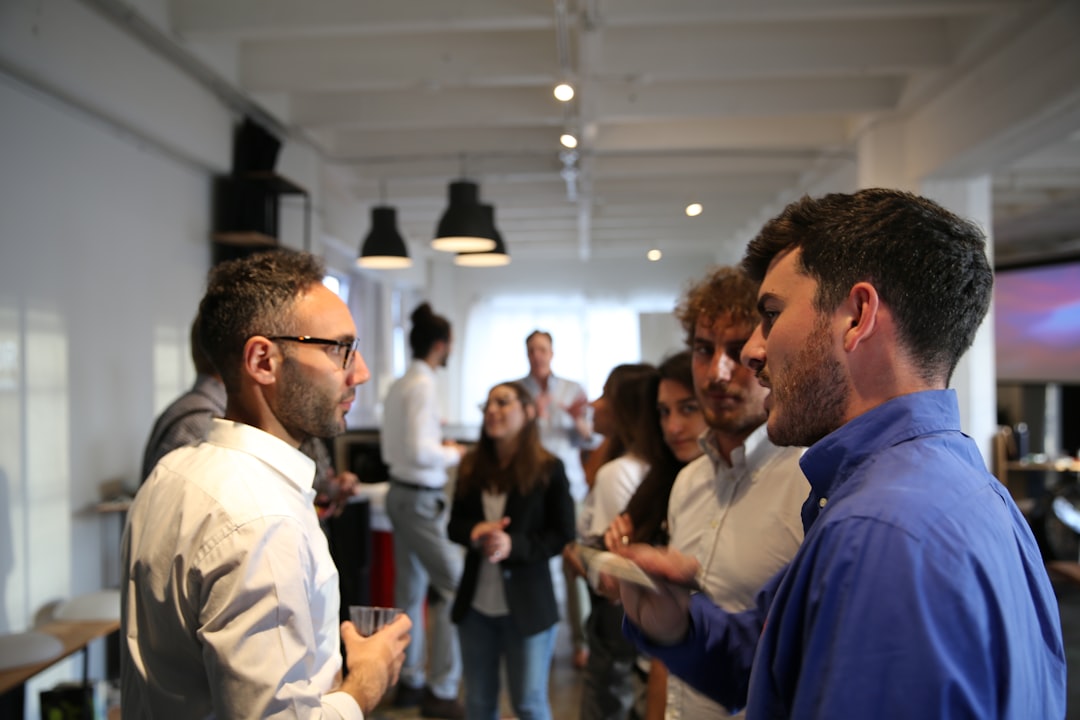
Social Environment and Longevity: WHO's Position in 2025
On June 30, 2025, WHO released a report on social connections and health.
In Brief
On June 30, 2025, WHO released a report on social connections and health. The main conclusion is simple: quality relationships with people significantly reduce the risk of early death. In strength, the effect is comparable to quitting smoking, regular exercise, normal sleep, and nutrition.
You can eat well, run, and sleep eight hours, but without strong social support, the rest works worse.
In the article, I analyze what exactly WHO wrote, how it resonates with the Harvard Study of Adult Development, and why the environment now needs to be built consciously.
What WHO Says
The 2025 report confirmed what epidemiologists have seen for a long time. Loneliness and social isolation in themselves increase the risk of death. According to the organization:
- Approximately one in six people in the world feels lonely.
- Isolation increases the likelihood of death roughly the same as smoking or excess weight.
- Good connections reduce this risk and improve the prognosis for heart disease, mental disorders, and metabolic disorders.
WHO advises doctors at the initial appointment to ask about social connections in the same way they measure blood pressure and calculate BMI.
What the Harvard Study Says
The Harvard Study of Adult Development has been running since 1938. It is the longest study of adults in history. Scientists have been following the same people for decades: tests, income, marriages, work, health.
Robert Waldinger, the current director, states clearly: the quality of close relationships best predicts both happiness and life expectancy. Stronger than cholesterol, money, IQ, or genetics.
What matters is not how many people are in your phone or how many followers you have. What matters is how deep two or three connections you have.
Why the Fifth Pillar Is Often Skipped
Common health advice is simple: don't smoke, don't drink too much, move, sleep, eat normally. For each point there are tools, apps, doctors, trackers.
With the social environment it's different. There is no ready-made solution. You can't buy a subscription or download an app that will find the right people on its own. That's why even those who have already quit smoking and established sleep often stop before the question: where to get this very environment?
Comparative Table: Longevity Pillars
| Pillar | Known Tool | Where to Find |
|---|---|---|
| Quitting Smoking | Nicotine patches, quit programs | Pharmacy, doctor |
| Activity | Trackers, gyms, trainers | Apple Health, Fitbit, fitness clubs |
| Sleep | Sleep-tracking, sleep hygiene | Oura, WHOOP, somnologist |
| Nutrition | Nutritionists, deliveries, apps | Nutritionist, Yazio |
| Social Environment | until the 2020s, no tool | Community Network and analogs |
Previously, there was nothing comparable for the fifth point. Regular apps are designed for something else — dating, work, light communication. They do not solve the task of creating a quality circle.
What Tool Solves the Task
Community Network is made specifically for this task. Not another social network, but a service that purposefully brings together people capable of becoming a strong environment.
Inside there are three layers:
- Psychology. Everyone fills out a profile along three axes based on validated questionnaires. The data is not visible to others, but the algorithm uses it to find compatible people.
- Health. You can connect trackers; data on sleep, activity, and heart rate affect the profile and rating.
- Community. Verification through Sumsub. There is an AI concierge and a personal matchmaker for complex introductions.
The point is quality, not quantity. This is not "another network," but a tool for the fifth pillar.
What to Do Now
If the other points are already covered, but the social part is still hanging, it is worth approaching it as systematically as sports or sleep.
Specific steps are in the continuations:
- Loneliness as 15 Cigarettes a Day: How an Adult Can Build an Environment, how to build a network after thirty.
- Quality Environment vs Many Acquaintances: What Counts, how to understand what is missing in the current network.
- Networking Events 2026: Guide to 7 Meeting Formats, where to find people if there is no natural environment in the city.
FAQ
What Exactly Changed After the 2025 WHO Report?
WHO for the first time placed social isolation on par with smoking, physical inactivity, and poor sleep. Now they recommend checking the quality of a patient's connections during an appointment. For insurance companies and healthcare systems, this changes priorities — prevention through communities becomes more important.
How Much Time Does It Take to Build a Strong Environment?
The Harvard Study shows that real connections are formed over years. But noticeable improvement — less anxiety, a sense of support — often appears within two to three months of regular communication with suitable people. The main thing is that values align.
Can Live Communication Be Replaced by Online Chats?
Partially. Video calls and online groups reduce loneliness, but do not fully replace it. A hybrid works best: 60-70% online to maintain contact and 30-40% offline for deep connections. Community Network is organized exactly this way.
Does This Work for Introverts?
Yes, sometimes even better. Introverts don't need many people; they need three to five suitable ones. An algorithm that immediately filters out the unnecessary by psychoprofile and values saves the main thing — energy.
If the topic resonated, create an account and try it. Registration is free, matching works immediately.