
Eventos de Networking que Funcionam: Por Que o Matchmaking Curado Supera Mixers Aleatórios
A maioria dos eventos de networking comete um único erro custoso: entrega um crachá e assume que o resto se resolverá sozinho.
Eventos de Networking que Funcionam: Por Que o Matchmaking Curado Supera Mixers Aleatórios
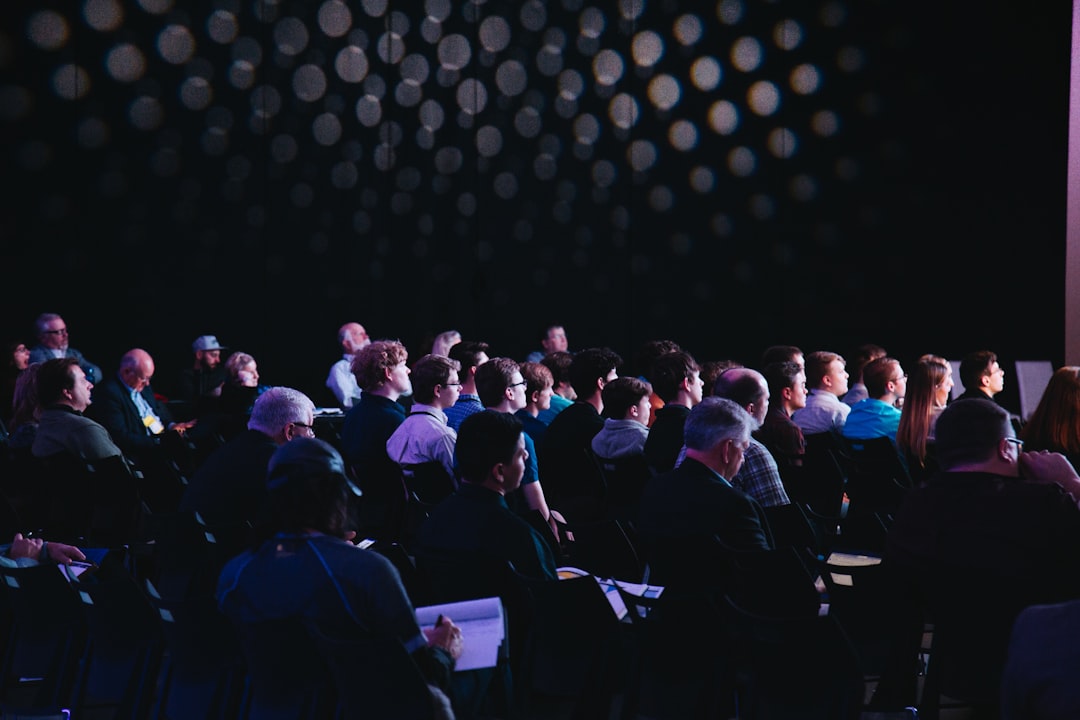
A maioria dos eventos de networking comete um único erro custoso: entrega um crachá e assume que o resto se resolverá sozinho. Entre em um mixer típico e verá a mesma cena — pequenos grupos de pessoas que já se conhecem, fundadores encurralados por prestadores de serviços, investidores ouvindo os mesmos pitches que já escutaram mil vezes. A sala está cheia. Conexões reais são raras.
Este é o vazio que o matchmaking curado preenche. Em vez de deixar as apresentações ao acaso, eventos de networking modernos usam software para parear participantes com intenção — fundador com investidor, operador com operador, mentor com empreendedor — com base no que cada lado realmente precisa. O resultado é menos conversas desperdiçadas e mais reuniões que importam.
Este guia explica como o matchmaking curado funciona em eventos de networking, por que consistentemente supera formatos não estruturados e o que procurar ao escolher uma plataforma para sua próxima conferência, meetup ou summit.
O que "matchmaking curado" realmente significa em um evento de networking
Matchmaking curado é a prática de usar dados estruturados — função, intenção, setor, estágio, geografia, disponibilidade de calendário — para propor apresentações específicas 1-a-1 entre dois participantes que de outra forma nunca se encontrariam em uma sala com 500 pessoas.
A mecânica é enganosamente simples. Cada participante preenche um perfil breve antes do evento: o que faz, o que procura, o que pode oferecer. Um mecanismo de matching compara perfis, calcula compatibilidade e apresenta uma lista classificada de sugestões. Os participantes confirmam, o sistema agenda um horário e ambos chegam a uma mesa designada ou chamada de vídeo já sabendo sobre o que conversarão.
O que diferencia o matchmaking curado de aplicativos de eventos tradicionais é a etapa de consentimento bidirecional. Uma recomendação é convertida em reunião apenas quando ambas as partes concordam. Sem abordagens frias, sem spam de caixa de entrada, sem encontros desconfortáveis às 9 da manhã perto da estação de café.
Por que o networking aleatório falha silenciosamente
O modelo "apareça e misture-se" tem um problema de medição. Organizadores contam ingressos vendidos e fluxo de piso. Participantes contam cartões de visita coletados. Nenhum número diz se valor real foi trocado.
Pesquisas comportamentais sobre eventos profissionais apontam alguns padrões persistentes:
- Viés de homofilia. Pessoas conversam com pessoas que parecem e soam como elas, o oposto do que a maioria dos participantes diz ter vindo procurar.
- Concentração de status. Aproximadamente 80 por cento das apresentações significativas em um evento típico vêm de 20 por cento de "super-conectores", deixando todos os outros se virarem.
- Fadiga de decisão. Após duas horas de conversa fiada, participantes racionalizam sua energia e param de iniciar novas conversas — exatamente quando as apresentações de maior potencial ainda poderiam acontecer.
O matchmaking curado não elimina essas forças, mas as neutraliza. O mecanismo de matching contorna a homofilia ao parear deliberadamente entre segmentos. Distribui apresentações uniformemente em vez de agrupá-las nos participantes mais visíveis. E ao agendar slots com antecedência, remove o custo de decisão no dia que esgota a maioria dos networkers à tarde.
Comparação lado a lado
As diferenças se tornam concretas quando você coloca os dois formatos lado a lado.
| Dimensão | Mixer não estruturado | Matchmaking curado |
|---|---|---|
| Como as apresentações acontecem | Auto-iniciadas, ad hoc | Sugestão algorítmica + consentimento mútuo |
| Cobertura | Agrupamento pesado em torno de conectores | Distribuição uniforme entre participantes |
| Qualidade da conversa | Genérica "o que você faz?" | Contexto pré-compartilhado, intenção clara |
| Taxa de acompanhamento | 10-20 por cento dos cartões levam a um segundo contato | 50-70 por cento dos matches mútuos agendam próximo passo |
| Métrica do organizador | Ingressos vendidos, fluxo de piso | Reuniões confirmadas, NPS de satisfação |
| Métrica do participante | Cartões coletados | Reuniões agendadas, apresentações aceitas |
Os números variam por formato de evento, mas a diferença direcional é consistente entre os locais que implementaram matchmaking estruturado.
O que é "bom" em 2026
Alguns marcadores separam uma implementação séria de matchmaking curado de uma planilha disfarçada.
Profundidade de perfil. Um bom sistema faz cinco a dez perguntas significativas sobre função, estágio, setor e intenção. Poucas demais e os matches são ruidosos; muitas demais e os participantes desistem antes de completar o formulário.
Consentimento bidirecional. Qualquer lado pode recusar uma recomendação sem explicação. O sistema aprende com recusas e para de apresentar pares similares.
Integração de calendário. O agendamento funciona dentro da plataforma, não em uma thread de email separada. Uma reunião no calendário do aplicativo é o momento em que o valor é criado.
Análises de nível Search Console. Organizadores devem ver dashboards ao vivo: percentual de participantes com perfis completos, reuniões agendadas, taxa de ausência, satisfação por segmento. Sem isso, a plataforma é invisível para quem está pagando por ela.
Suporte multilíngue. Conferências transfronteiriças precisam de pelo menos inglês, espanhol, francês, alemão e um idioma regional. Perfis traduzidos automaticamente permitem que participantes façam matching entre barreiras de idioma sem perder nuances.
Como Community Network potencializa o matchmaking curado
Community Network é construída em torno de uma única aposta: que a maioria do valor profissional em um evento vem de um pequeno número de conversas 1-a-1 de alto ajuste, não do volume de laços fracos coletados no bar.
A plataforma já potencializou mais de 5.000 reuniões curadas em summits, founder weeks e mesas redondas de indústria. A receita é a mesma toda vez. Participantes se integram com um perfil estruturado breve. Um mecanismo de scoring classifica cada outro participante contra sua intenção declarada. Ambos confirmam antes de uma reunião ser agendada, e NPS pós-reunião alimenta o modelo.
Organizadores recebem um dashboard em tempo real com as métricas que realmente predizem ROI do evento — taxa de aceitação de match, taxa de conclusão de reunião, satisfação por segmento. Participantes recebem um calendário cheio de conversas para as quais se inscreveram.
O resultado é um tipo completamente diferente de evento. Em vez de um corredor repleto de estranhos circulando, você tem salas cheias de pares focados. A conversa de corredor não desaparece — fica mais afiada, porque as conversas aleatórias agora são semeadas por uma apresentação real no início do dia.
Como implementar matchmaking curado em seu próximo evento
Você não precisa redesenhar toda a agenda. Um rollout em etapas tende a funcionar melhor do que uma mudança de grande escala.
- Escolha um horário. Reserve um bloco de 90 minutos na agenda e o marque como hora de reuniões curadas. Trate como um experimento, não como substituição do programa principal.
- Integre cedo. Envie o formulário de perfil duas semanas antes do evento. Participantes que o completam pré-evento fazem match dramaticamente melhor do que aqueles que preenchem no registro.
- Limite as reuniões. Seis a oito slots de 15 minutos por participante é o ponto ideal. Mais do que isso e a qualidade desmorona.
- Meça honestamente. Acompanhe reuniões confirmadas, taxa de conclusão e satisfação pós-reunião. Compare com a métrica de vaidade de cartões coletados de eventos anteriores.
- Itere. O mecanismo de matching aprende com recusas, ausências e avaliações. No terceiro evento você verá ajuste notavelmente melhor no topo da fila de cada participante.
Uma regra útil: se até dez por cento dos participantes saem com uma reunião de alto valor que não teriam de outra forma, o evento se pagou em boa vontade.
Perguntas frequentes
O matchmaking curado é apenas para grandes conferências?
Não. O modelo funciona igualmente bem para um jantar de fundadores com cinquenta pessoas e um summit com três mil pessoas. Quanto menor o evento, maior a proporção de participantes que participam, o que por sua vez eleva a qualidade geral do match.
Os participantes realmente usam?
Em eventos bem integrados, as taxas de conclusão ficam entre 60 e 80 por cento. O preditor único mais importante de uso é se o organizador apresenta a plataforma como a principal superfície de networking do evento, não como um extra opcional.
E quanto à privacidade?
Os perfis são visíveis apenas para outros participantes registrados, e o mecanismo de matching nunca revela recomendações recusadas ao outro lado. Uma recusa é silenciosa.
Pode substituir a conversa de corredor?
Complementa. Reuniões curadas produzem as apresentações quentes que fazem as conversas de corredor funcionarem. Os dois juntos superam qualquer um isoladamente.
Quão cedo os participantes devem se integrar?
Duas semanas antes do evento é ideal. Uma semana é viável. Integração no dia do evento produz matches notavelmente mais fracos porque o mecanismo de matching não tem tempo para aprender recusas e refinar recomendações.
A conclusão
Eventos de networking passaram uma década competindo em lineup de palestrantes e glamour do local. A próxima década será vencida por quem realmente sai com as reuniões que veio procurar. Matchmaking curado é a forma mais barata e rápida de tornar essa promessa real. As plataformas existem, os dados estão aqui, e a diferença entre eventos que adotam e eventos que não adotam está se ampliando rapidamente.
Para uma análise mais profunda de como os mesmos princípios se aplicam a meetups recorrentes, consulte nosso guia para corrigir o formato de meetup quebrado. Para organizadores de eventos que desejam incorporar matchmaking em seu próprio programa, o guia do organizador para software de matchmaking de eventos explica a implementação passo a passo.
Превратите идеи в реальные связи
Присоединяйтесь к Community Network, чтобы находить сообщества, знакомиться с участниками в общем контексте и участвовать в важных для вас событиях.