

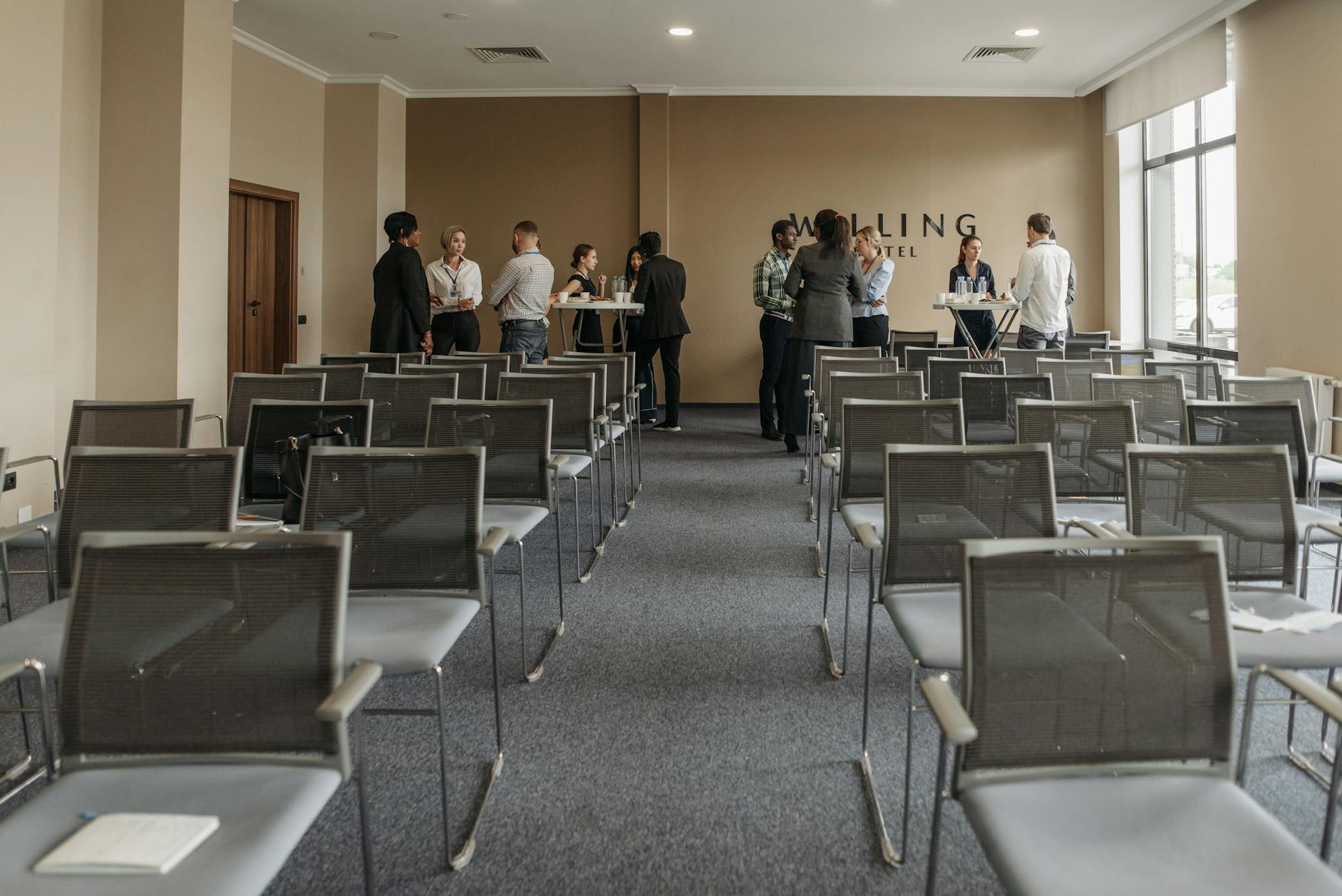
Нетворкинг-мероприятия в 2026 году: практический гид по 7 форматам
Нетворкинг-мероприятие полезно, когда заранее понятны его цель, контекст участников и возможный следующий шаг. Большой зал сам по себе не создаёт сильную сеть, а алгоритм подбора сам по себе не гарантирует хорошее знакомство. Формат должен соответствовать задаче: обменяться опытом, найти партнёра для проекта, познакомиться с потенциальным клиентом, изучить новую роль или вернуться в профессиональное сообщество.
В этом гиде сравниваются семь распространённых форматов без обещаний фиксированного числа контактов или гарантированного результата. Состав участников, работа ведущего, доступность, согласие и follow-up важнее названия на билете.
Сравнение семи форматов
| Формат | Когда подходит | Главный риск | Что спросить до регистрации |
|---|---|---|---|
| Открытый meetup | Нужны широкий обзор и неформальные разговоры | После входа нет структуры | Как новым участникам помогают начать разговор? |
| Модерируемый круглый стол или ужин | Общая тема требует подробного обсуждения | Ведущий определяет, кого услышат | Кто модерирует и как распределяют места? |
| Speed networking | Нужны несколько коротких первых разговоров | Таймер поощряет заученный pitch вместо совместимости | Есть ли контекст или подбор перед раундом? |
| Кураторский подбор один на один | У участников конкретные совместимые цели | Непрозрачные критерии дают нерелевантные или несправедливые пары | Какие данные используются и могут ли обе стороны отказаться? |
| Networking-зона конференции | Вы уже пришли за контентом и хотите добавить встречи | Общение конкурирует с основной программой | Есть ли отдельное время и тихое место? |
| Онлайн-сессия | Важны география или доступность | Без модерации встреча превращается в пассивный видеозвонок | Есть ли ведущие комнат и поддержка follow-up? |
| Регулярная встреча сообщества | Доверие должно развиваться через повторное участие | Закрытая группа становится сложной для новичков | Как встречают новых людей и модерируют поведение? |
Универсально лучшего варианта нет. Основателю, который ищет сооснователя, нужен иной процесс, чем дизайнеру для peer review или специалисту, который изучает один рынок.
1. Открытые meetup-встречи
Открытый meetup обычно объединяет тему, площадку и свободное общение. Он подходит для знакомства с отраслью, понимания актуальных проблем и поиска локальных сообществ. Для узкой просьбы формат менее предсказуем: состав и намерения участников различаются.
Ищите программу, которая объясняет начало знакомств, поддержку новичков и условия для разговора. Список известных спикеров не отвечает на эти вопросы.
2. Модерируемые круглые столы и ужины
Общий стол фокусирует внимание на одной теме. Ведущий может пригласить разные точки зрения, остановить доминирование одного участника и представить людей с контекстом. Формат подходит для сложных или чувствительных разговоров, которым тесно в коротком mixer.
Компромисс — gatekeeping. Уточните, как выбирают участников, есть ли у ведущего коммерческие отношения с ними и как учитываются питание, мобильность, слух и язык.
3. Speed networking
В speed networking разговоры ограничены временем и идут по понятной ротации. Структура снижает барьер подхода к незнакомому человеку и помогает коротко представить контекст. Глубины она не создаёт.
Ответственный организатор объясняет цель каждого раунда, не заставляет обмениваться контактами и позволяет продолжить общение только при согласии обеих сторон. Короткий разговор — этап знакомства, а не доказательство совместимости.
4. Кураторский подбор один на один
При кураторском подборе используются заявленные цели, роли, интересы или решение организатора. Это сокращает случайный поиск, если сам состав участников релевантен. Но скрытые критерии и неполные профили могут воспроизводить неверные предположения.
До передачи данных спросите:
- какие поля влияют на пару;
- кто принимает итоговое решение — человек или software;
- подтверждают ли встречу оба участника;
- как исправить неверные данные;
- сколько времени хранят информацию;
- можно ли отказаться без последствий.
Подробный гид по кураторскому подбору на нетворкинге помогает оценить формат, не принимая рекомендацию за гарантию.
5. Networking-зоны конференций
Такая зона добавляет встречи к событию, главной ценностью которого могут быть доклады, workshops или выставка. Формат работает, когда организатор выделяет время и пространство, а не надеется на полезные разговоры в шумном коридоре.
Проверьте, взаимны ли запросы на встречу, учитывает ли расписание основную программу и что происходит при no-show. Если доступен каталог участников, настройки видимости и сообщений должны быть явными.
6. Онлайн-сессии
Удалённый формат убирает дорогу и может включить людей из разных регионов, часовых поясов и с разными потребностями доступности. Проверять нужно не видеоплатформу, а работу ведущего: есть ли у каждой комнаты цель, помощь и уважительный выход.
Уточните, ведётся ли запись, кто видит имена и профили, сохраняются ли чат и данные посещения. Виртуальная комната не становится приватной только потому, что вход открыт по ссылке.
7. Регулярные встречи сообщества
Повторяющиеся встречи подходят отношениям, которым недостаточно одного разговора. Участники видят, как другие помогают, выполняют обещания и реагируют на разногласия. Повторение полезно только при добровольном участии и понятном управлении.
Изучите code of conduct, канал для жалоб, правила членства и удаление устаревших профилей. Если вы строите сообщество, операционный план на 30 дней начинает с цели и управления, а не с ленты.
Выбирайте формат от следующего шага
До выбора события запишите один полезный следующий шаг. Например:
- сравнить практику с человеком в той же роли;
- найти эксперта для исследовательского интервью;
- встретить потенциального партнёра для определённого проекта;
- понять, как конкретное ограничение решают на другом рынке;
- попросить знакомство с человеком, который согласился на интро.
Затем выберите самый лёгкий формат, который создаёт достаточно контекста. Для широкого обзора подойдёт открытый meetup. Для конкретной взаимной просьбы — кураторский подбор. Для чувствительной темы — небольшая группа с ведущим. Событие не является результатом; оно даёт возможность решить, нужен ли следующий шаг.
Оцените организатора до регистрации
Цель и соответствие аудитории
Страница должна объяснять, для кого событие, что будут делать участники и чего оно не обещает. Фразы «лица, принимающие решения» или «качественный нетворк» без критериев и описания формата недостаточны.
Согласие и границы контакта
Регистрация не означает согласия на sales-сообщения или экспорт контактов. Уточните видимость профиля, direct messages и взаимность интро. Для уважительной просьбы после события используйте шаблоны тёплого знакомства.
Работа с данными
Организатор должен объяснить, что собирает, зачем, кому передаёт и как работает удаление. Официальные исходные ориентиры — руководство британского ICO по правовым основаниям и обзор законодательства ЕС о защите данных. Требования зависят от роли и юрисдикции; для конкретного события нужна подходящая юридическая консультация.
Безопасность, доступность и модерация
Ищите code of conduct, названный канал сообщения об инциденте, информацию о доступности площадки и ответственного человека. Онлайн-событию также нужны удаление нарушителя, блокировка и запрет несанкционированной записи.
Подготовка без превращения в pitch
Соберите короткое представление из четырёх частей: текущий контекст, релевантный опыт, изучаемая проблема и полезный тип разговора. Не используйте неподтверждённые статусные заявления и оставьте собеседнику простой способ сказать, что тема не подходит.
Изучайте список участников только при их осознанном opt-in. Выберите несколько релевантных разговоров и подготовьте по одному вопросу. Не собирайте контакты автоматически и не импортируйте посетителей в marketing list.
В разговоре спросите, над чем человек работает и какой follow-up предпочитает. Делитесь контактом только при взаимном интересе. Возможному business-партнёру предложите конкретный шаг; отношения с потенциальным сооснователем проверяйте совместной работой, а не «химией» события. Процесс описан в гиде по поиску и проверке сооснователя.
Follow-up с контекстом
Полезное сообщение называет событие, напоминает общую тему и предлагает один соразмерный шаг. Его должно быть легко проигнорировать или отклонить. Не отправляйте одинаковый pitch всем посетителям.
Записывайте только сведения, нужные для согласованного действия. Если follow-up не обсуждался, не придумывайте согласие задним числом. Если обещали материал или интро, сначала выполните обещание и лишь затем просите новую встречу.
Чек-лист ответственного организатора
До открытия регистрации:
- опишите аудиторию, цель и наблюдаемый результат для участника;
- выберите формат, который поддерживает этот результат;
- собирайте только поля, нужные для регистрации и подбора;
- объясните видимость, сроки хранения, удаление и processors;
- сделайте интро взаимными, а отказ — без последствий;
- опубликуйте правила поведения, доступности и жалоб;
- подготовьте ведущих к no-show, конфликтам и инцидентам;
- спрашивайте о релевантности и безопасности, а не о vanity-числе контактов;
- делайте follow-up только через согласованные каналы;
- удаляйте или анонимизируйте данные после завершения заявленной цели.
Если используется matching software, гид организатора по event matching разбирает требования, согласие и рабочий процесс.
Роль Community Network
Community Network — наш продукт, поэтому этот раздел является first-party описанием, а не независимым сравнением. Платформа может использовать заявленный контекст профиля и цели, чтобы предложить релевантного человека или встречу на событии. Участники сами решают, принимать ли интро. Предложение не является проверкой, рекомендацией или обещанием результата.
Сравнивайте продукт с другими по тем же вопросам: какие данные используются, кто управляет видимостью, как работает взаимное согласие, какая есть модерация и можно ли исправить или удалить данные.
Частые вопросы
Нетворкинг-мероприятие отличается от конференции?
Иногда. На конференции основной программой могут быть доклады, а встречи происходят вокруг них. На нетворкинг-событии разговор или интро — основная активность. Смотрите программу, а не ярлык.
Какой формат даёт лучшие контакты?
Универсального победителя нет. Релевантность зависит от состава, цели, модерации, согласия и follow-up. Выбирайте формат, который даёт достаточно контекста и не собирает лишние данные и не принуждает к общению.
Со сколькими людьми нужно познакомиться?
Используйте границу качества, а не квоту. Один релевантный разговор с взаимно согласованным следующим шагом может быть полезнее множества обменов, которые никто не намерен продолжать.
Что выбрать интроверту?
Ищите понятную программу, небольшие группы с ведущим, opt-in matching, письменные prompts, перерывы и видимый способ завершить разговор. Структура снижает неопределённость, не отнимая контроль.
Вывод
Хорошее нетворкинг-мероприятие не производит доверие автоматически. Оно создаёт достаточно общего контекста, чтобы люди решили, стоит ли продолжать разговор. Выбирайте по цели, проверяйте работу организатора с данными и безопасностью, сохраняйте право на отказ и делайте follow-up только по взаимно понятному следующему шагу.


