Why Your LinkedIn Profile Photo Matters More Than Your Resume
Recruiter scrolling speed on LinkedIn averages 6 seconds per profile. In that window, your photo does 90% of the talking.
Your Face Gets You the Interview. Your Resume Gets You the Job.
Recruiter scrolling speed on LinkedIn averages 6 seconds per profile. In that window, your photo does 90% of the talking. A 2023 study by Photofeeler found that LinkedIn profiles with professional headshots receive 14x more views than those without.
So why do people still spend hours tweaking bullet points while uploading a cropped vacation selfie?
The Science of Snap Judgments
Princeton researchers Alexander Todorov and Janine Willis showed that humans form first impressions within 100 milliseconds. That is faster than a blink. Your profile photo triggers instant evaluations of competence, trustworthiness, and likability before a single word of your experience is read.
LinkedIn's own data backs this up. Profiles with photos get 21x more views and 36x more messages than those without. But not any photo will do.
What a Good LinkedIn Photo Actually Looks Like
Forget the corporate studio with a fake bookshelf background. Here is what works in 2026:
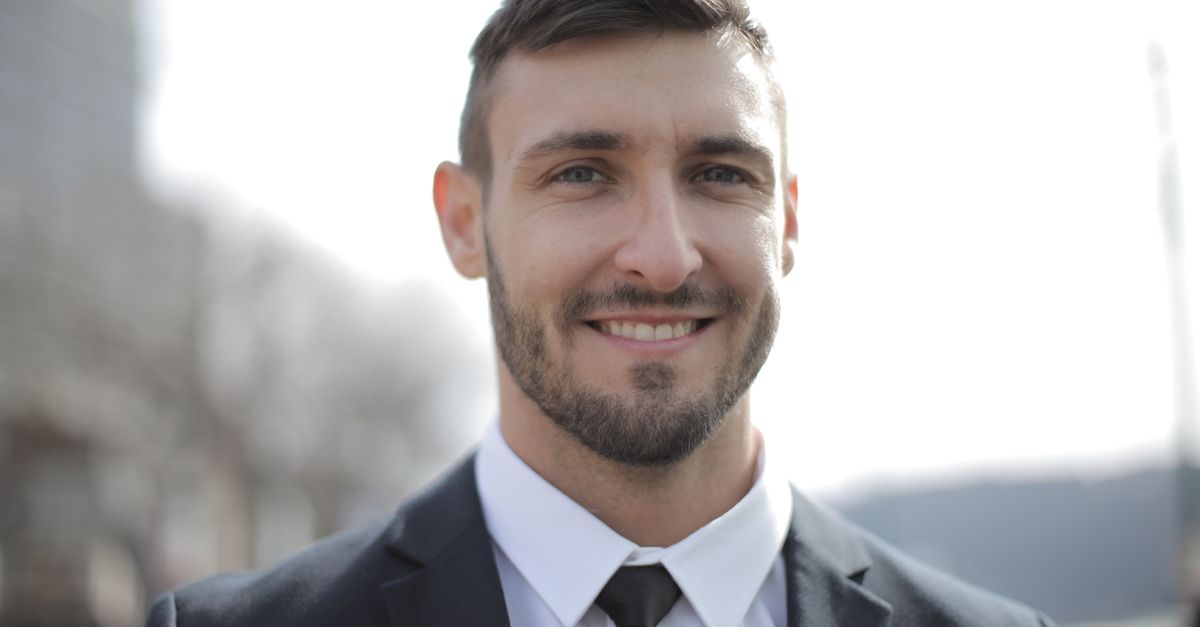
- Face takes up 60% of the frame. Head-and-shoulders crop. No full-body shots.
- Natural light or soft studio light. Harsh shadows make you look older and less approachable.
- Simple, uncluttered background. Solid color or gently blurred outdoor setting.
- Genuine smile with teeth showing. Photofeeler data shows smiling photos score 30% higher on likability.
- Clothes you would actually wear to meet a client. Match your industry. A creative director in a suit looks just as wrong as a banker in a hoodie.
The Numbers That Should Worry You
According to a 2024 CareerBuilder survey, 70% of employers screen candidates' social media before making a hiring decision. Of those, 57% found content that made them not hire someone. Profile photos ranked as the single most-checked element.
Another data point from Passport-Photo.Online: 82% of hiring managers say a bad LinkedIn photo creates a negative first impression that is hard to reverse.
Common Mistakes People Keep Making
Using the same photo for 5+ years. You walk into a meeting and people don't recognize you. That gap between expectation and reality starts the relationship with a small lie.
Group photos, even cropped. There is always a phantom arm on your shoulder. It looks sloppy.
Sunglasses. Eye contact builds trust. Sunglasses block it. Simple as that.
Filters and heavy retouching. Smoothing skin until you look like a video game character helps nobody. Authenticity wins.
How to Get a Great Photo Without Spending $500
You do not need a professional photographer. A friend with a recent smartphone and some patience will work fine.
- Find open shade outdoors. Under a tree or building overhang on a cloudy day gives soft, even light.
- Set the phone to portrait mode. This blurs the background and keeps your face sharp.
- Take at least 50 shots. Change your angle slightly each time. You need options.
- Pick three finalists and test them. Upload to Photofeeler or ask five trusted colleagues which one feels most approachable and professional.
- Update every 18 months. Your face changes. Keep the photo current.
Beyond LinkedIn: Your Photo Across Platforms
Consistency matters. Use the same headshot on LinkedIn, your company bio page, conference speaker profiles, and community platforms like Community Network. When someone meets you at an event and looks you up later, instant recognition builds trust faster than any elevator pitch.
The Bottom Line
Your resume lists what you have done. Your photo shows who you are right now. In a world where attention spans shrink and visual processing dominates, that 400x400 pixel square carries more weight than your entire work history section.
Spend 30 minutes this week getting a proper headshot. It is the highest-ROI career investment you will make all year.
Превратите идеи в реальные связи
Присоединяйтесь к Community Network, чтобы знакомиться с нужными людьми, находить проверенные сообщества и получать осмысленные знакомства.