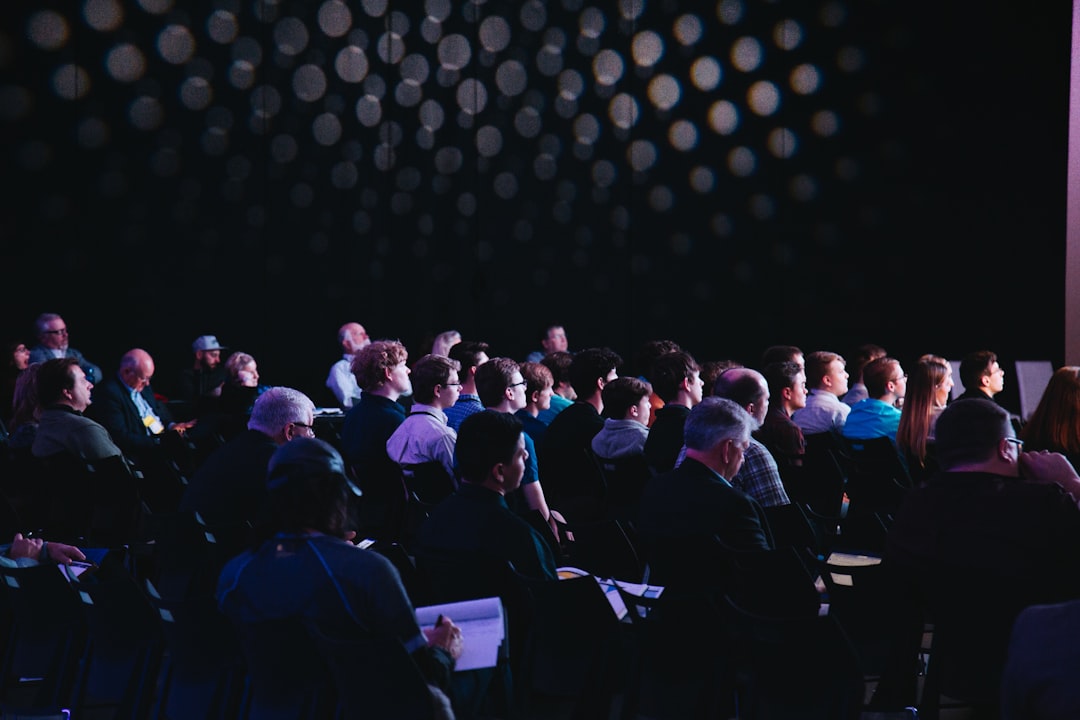
Networking Events: Find, Attend & Actually Benefit
Networking events bring people together, whether formal or casual, so professionals can swap ideas, referrals, and chances to work together.
Networking events bring people together, whether formal or casual, so professionals can swap ideas, referrals, and chances to work together. Pick the right one and you might land a client in two days. Pick wrong and you've wasted an evening plus a mediocre cup of coffee.
Here's a breakdown of the main types of networking events out there, what goes on at each, and how to get real value from them. This applies whether you're based in Wichita, Kansas, Glasgow, Scotland, or anywhere else.
Technology Networking Events
Tech meetups pack a lot of people into one room. A single Code & Coffee session, usually on a Saturday morning at a café or coworking space, can gather 15-40 developers, founders, and product managers before 10 a.m. Wichita runs several of these each month, and the loose format without any set agenda or keynote makes it simpler to talk than at a typical mixer.
Bring a specific problem you're working on instead of a pitch deck. At one Code & Coffee I went to in early 2024, a freelance developer mentioned trouble with React state management. Three people jumped in right away. By the end he walked out with two new LinkedIn connections and a contract lead from someone who needed that skill.
Maker Monday events at places like MakeICT in Wichita add a hands-on element. People work on physical or digital projects together, which skips the awkward "so what do you do?" stage. You're already doing something side by side. MakeICT's Game Night events run on the same idea: spend 90 minutes playing a board game with strangers and you end up knowing more about how they think than you would from five cocktail-party chats.
For tech events in particular, look for ones that include a short demo or show-and-tell. These give introverts an easy way in because you can comment on someone's project instead of starting cold.
Learn how to follow up after tech meetups
Business Networking Events
Traditional business networking through chamber mixers, BNI chapters, and industry association breakfasts still produces real referrals. BNI chapters in mid-sized U.S. cities like Wichita report average member revenue from referrals of $12,000-$25,000 per year, though results depend heavily on the industry and how often you show up.
The format changes everything. Structured referral groups that meet weekly with 60-second pitches and one member per profession work well for service businesses like accountants, attorneys, and insurance brokers where exclusivity matters. Open mixers fit businesses with wider audiences.
One format that gets overlooked is niche industry breakfasts. A lawn care operator in Wichita who runs a "Lawn Mowing Tricks of the Trade" meetup isn't just sharing tips. They're building a referral network with landscapers, irrigation specialists, and property managers. A 90-minute breakfast with 12 people in related trades can produce more qualified leads than three months of cold calling.
What separates productive business networkers from time-wasters:
| Behavior | Low ROI Networker | High ROI Networker |
|---|---|---|
| Goal per event | Collect as many cards as possible | Leave with 2-3 specific follow-up commitments |
| Conversation style | Pitches immediately | Asks about the other person's current challenge |
| Follow-up timeline | "I'll reach out sometime" | Email within 24 hours referencing something specific |
| Event selection | Attends everything | Attends 2-3 events monthly, same ones consistently |
| Giving vs. taking | Waits to receive referrals | Makes an introduction before asking for one |
Consistency matters more than most people realize. Showing up to the same event for six months in a row builds trust faster than jumping around to six different events.
Marketing & Digital Skills Workshops
Workshop-style events have grown popular because they handle two things at once: you pick up something useful and meet others who care about the same topic.
Pay-Per-Click (PPC) Marketing Workshops aimed at small businesses, like the ones run periodically for Wichita owners, usually draw 20-50 local business owners who are already spending on Google Ads or thinking about it. That room is useful if you're a marketing consultant, web developer, or SaaS vendor. If you're a small business owner yourself, you're sitting next to people facing the same $500-$2,000/month ad budget issues. Sharing what worked and what didn't is immediately useful.
SEO Workshops with titles like "Rank Higher Without Breaking the Bank" pull a similar crowd but lean toward owners who watch costs closely and prefer to handle more themselves. These events often lead to strong referral relationships because the attendees tend to be problem-solvers. At one SEO workshop in 2023, a local bakery owner said she'd been trying to rank for "custom cakes Wichita" for two years. A web developer in the room offered a 30-minute audit on the spot. They're now working together.
If you're running or attending these, push for hands-on time. Open a laptop, pull up Google Search Console, and work on something real. Passive presentations leave people who forget the material by Thursday.
See our guide to marketing workshops worth attending
Book Clubs as Networking Events
This one catches people off guard. A book club built around a business or entrepreneurship title ranks among the most underrated networking formats.
Take a Guards! Guards! by Terry Pratchett book club. It looks like a fantasy novel on the surface. Pratchett packs in organizational satire, leadership dynamics, and commentary on bureaucracy and power, which lines up with what founders and managers deal with every day. The discussion quickly shows how people think about authority, systems, and change. You learn more about someone's professional outlook in a book discussion than in a dozen elevator pitches.
Book club networking works because:
- Everyone has equal standing (you all read the same book)
- The conversation has a built-in structure without feeling corporate
- It selects for curious, reflective people, often the best long-term connections
- Monthly cadence builds the consistency that drives real relationships
If you're organizing one, choose books with real intellectual friction. Safe, universally praised business books produce polite conversation. A novel with a point of view sparks debate, and that's where you find out who someone really is.
Open Board Game Nights as Networking Venues
Venues like Pink Elephant Games and Cafe in Wichita run open board game nights that work as networking events for a specific group: creative professionals, educators, developers, and entrepreneurs who find traditional mixers draining.
The games handle the social part. A cooperative game like Pandemic requires communication and shared decisions. A negotiation game like Catan shows how someone handles competition and limited resources. After two hours of play you have actual shared experience, which forms the base for trust.
For introverts especially, game-based networking cuts down the mental effort of working the room. You get assigned a seat and a role, and the game supplies the conversation prompts. Conversion rates from game night acquaintance to professional contact run surprisingly high. Anecdotally, 30-40% of people I've met at game nights have led to at least one professional interaction.
Entrepreneurship and Startup Events
Startup-focused networking through pitch nights, founder dinners, and accelerator demo days runs at a higher intensity than general business events. Everyone in the room is either building something, funding something, or supporting someone who is.
Network Kansas runs statewide events that connect entrepreneurs with resources, mentors, and capital. Their events draw 50-200 attendees and mix structured programming with open networking. The key difference from a general mixer is that attendees have skin in the game. They're not there to collect leads. They're there because they need something specific: a co-founder, a customer, or an introduction to an investor.
For startup events, preparation is non-negotiable. Know your one-sentence company description. Know the one thing you need most right now. Know two or three things you can offer others, whether that's introductions, expertise, or feedback. Showing up without this is like attending a job fair without a resume.
If you're pre-revenue, focus on founder-to-founder connections instead of chasing investors. The relationships you build with other founders in your cohort will last longer than any single funding round, and they're the people most likely to refer you to their customers, partners, and investors later.
Explore our startup networking event calendar
How to Choose the Right Networking Event
With dozens of formats available, the question isn't whether you should network. It's where your time is best spent.
Three filters:
Who's in the room? Not just industry, but decision-making authority. A room full of marketing managers differs from a room full of CMOs, even if the event title sounds the same.
What's the format? Structured formats like workshops, book clubs, game nights, and maker events create more durable connections than open mixers. If you're early in building a local network, start with structured events.
What's the recurring cadence? A one-off event gives you one shot. A monthly recurring event gives you compounding returns. Find two or three events you can attend consistently for six months and stick with them.
Read our full guide to evaluating networking events before you attend
FAQ
How often should I attend networking events?
Two to three events per month works for most professionals. More than that and you spread yourself thin. Fewer and you miss the consistency that builds trust. Quality of attendance matters more than quantity. Showing up to the same event six times beats attending six different events once each.
What's the best networking event format for introverts?
Structured formats with built-in activities work best. Workshops, book clubs, game nights, and maker events give natural conversation prompts through the activity itself. Open cocktail mixers are the hardest format for introverts and often the least productive for everyone.
How quickly should I follow up after a networking event?
Within 24 hours, ideally the same evening. Reference something specific from your conversation, not just "great to meet you." A message that says "Enjoyed talking about your Google Ads challenges, here's that article I mentioned" is 10x more effective than a generic LinkedIn connection request.
Are free networking events worth attending?
Yes, but with some calibration. Free events draw a wider range of attendees, which means more filtering on your end. Paid events, even at $20-$50, tend to attract more committed people. The best events, regardless of price, have a clear audience and a format that creates genuine interaction rather than passive listening.
How do I measure ROI from networking events?
Track three metrics: (1) number of follow-up conversations scheduled, (2) referrals received or given within 90 days, (3) revenue or opportunities directly attributed to event connections within 12 months. Most professionals who track these find that 80% of their networking ROI comes from 20% of the events they attend, which makes it easier to drop the low-performers.