
كيف يستخدم الخاطبون المحترفون الذكاء الاصطناعي في عام 2026
كانت مهنة التوفيق الاحترافية تعتمد في السابق على دفتر العناوين والحدس.
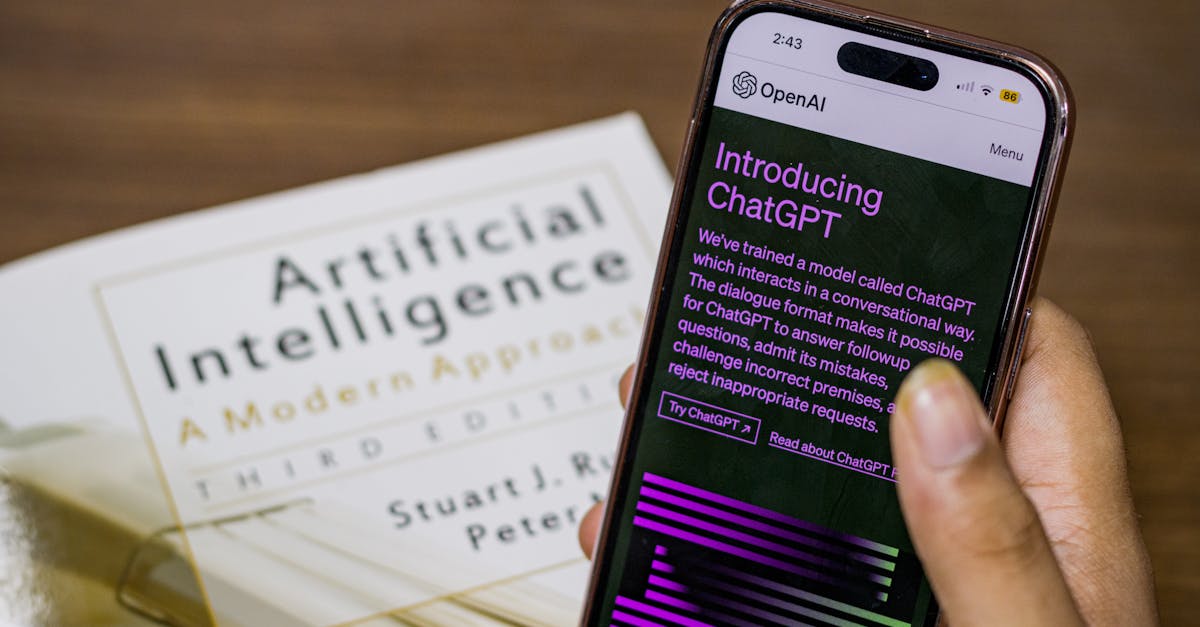
اللمسة البشرية تلتقي بذكاء الآلة
كانت مهنة التوفيق الاحترافية تعتمد في السابق على دفتر العناوين والحدس. شخص ذو علاقات واسعة يعرف الكثير من العزاب كان يرتب لقاءات على فنجان قهوة ويتقاضى أجرًا. ظل العمل بأكمله صغيرًا ومكلفًا ومقتصرًا على فئة مختارة.
غيّر الذكاء الاصطناعي المعادلة الاقتصادية. لم يحل محل الخاطبين المحترفين. بل إن الماهرين منهم أصبحوا أكثر انشغالًا من أي وقت مضى. بدلاً من ذلك، زودهم بأدوات تمكن الشخص الواحد من التعامل مع عدد أكبر بكثير.
ما يفعله الذكاء الاصطناعي فعليًا في التوفيق الحديث
تجاوز النسخة الخيالية العلمية. الذكاء الاصطناعي في التوفيق ليس خوارزمية واعية تدرك الحب. إنه التعرف على الأنماط المطبق على بيانات التوافق.
إليك كيفية عمله عمليًا.
تحليل السلوك بدلاً من التفضيلات المعلنة. الناس سيئون في معرفة ما يريدونه في الشريك. أظهرت دراسة عام 2019 في مجلة علم النفس الاجتماعي التجريبي أن التفضيلات المعلنة، الطويل القامة، المتعلم، المضحك، لا تتنبأ تقريبًا بأي شيء حول من يواعدونه فعليًا. تراقب أنظمة الذكاء الاصطناعي الإشارات السلوكية بدلاً من ذلك، من تتوقف عنده، أي الملفات الشخصية تعود إليها، أي الرسائل تحصل على ردود، وتكتشف أنماطًا قد لا تلاحظها بنفسك.
معالجة اللغة الطبيعية لبيانات المحادثات. بعض المنصات، بموافقة المستخدم، تحلل أنماط المراسلة لقياس التوافق. إن تناغم أسلوب التواصل، طول الردود، عدد المرات التي يطرح فيها شخص ما أسئلة، أسلوب الفكاهة، يتنبأ بنجاح العلاقة بشكل أفضل من الهوايات المشتركة.
الجدولة والخدمات اللوجستية. يتولى الذكاء الاصطناعي المهام المملة ولكن الضرورية. يطابق المواعيد في التقويمات، ويقترح أماكن بناءً على الموقع والتفضيلات، ويرسل التذكيرات. وهذا يترك الخاطبين البشريين أحرارًا للتركيز على فهم الناس.
النموذج الهجين: أين تتجه الصناعة
أقوى خدمات التوفيق في عام 2026 تمزج بين فحص الذكاء الاصطناعي والحكم البشري.
العملية المعتادة تسير على هذا النحو.
- استقبال العميل. يجري الخاطب البشري مقابلة متعمقة، من 60 إلى 90 دقيقة، تغطي تاريخ العلاقات، نمط التعلق، القيم، والأهداف.
- تسجيل الذكاء الاصطناعي. يقوم الخاطب بتحميل تلك التفاصيل إلى نظام يقوم بتقييم التطابقات المحتملة عبر عدة أبعاد: توافق التواصل، تناغم نمط الحياة، تداخل القيم، والاستعداد للعلاقة.
- الانتقاء البشري. يقدم الذكاء الاصطناعي 10-15 مرشحًا. يراجعهم الخاطب، ويضيف سياقًا ("هي تقول إنها تريد رجل أعمال، لكن أفضل علاقاتها كانت مع المبدعين")، ويضيقها إلى 3-5.
- تيسير التعارف. يطلع الخاطب كلا الطرفين، ويوصي بمكان ونشاط يناسب شخصياتهم، ويتابع بعد الموعد.
هذا النهج الهجين يتفوق على كل من التوفيق بالذكاء الاصطناعي الخالص (مثل تطبيقات المواعدة) والتوفيق البشري الخالص (بدون أدوات بيانات). وجد استطلاع عام 2024 لمعهد التوفيق أن الخدمات الهجينة حققت معدل موعد ثانٍ بنسبة 34%، مقارنة بـ 22% للتطبيقات و 28% للخاطبين التقليديين.
ما لا يستطيع الذكاء الاصطناعي فعله
للذكاء الاصطناعي نقاط عمياء واضحة.
- الكيمياء. الشرارة بين شخصين لا تترك أثرًا بياناتيًا. يمكن لشخصين أن يتطابقا تمامًا على الورق ولا يشعرا بأي شيء وجهًا لوجه.
- التوقيت. قد يكون شخص ما متطابقًا بقوة لكنه في مرحلة حياة خاطئة. لن يعلم الذكاء الاصطناعي أن شخصًا ما فقد والديه للتو، أو على وشك الانتقال إلى الخارج، أو لم يتجاوز علاقة سابقة بعد.
- السياق. الفروق الثقافية الدقيقة، الديناميكيات العائلية، والتوقعات غير المعلنة تحتاج إلى تعاطف بشري، ليس إلى كود برمجي.
لهذا السبب لا يختفي الخاطبون المحترفون. إنهم يصبحون أكثر كفاءة، وليس أقل أهمية.
معادلة التكلفة
كان التوفيق التقليدي يحمل أسعارًا فاخرة. كانت الشركات الراقية تتقاضى من 10,000 إلى 100,000 دولار+ لكل عميل. الذكاء الاصطناعي يوسع نطاق الوصول.
تشمل النماذج الأحدث:
- التوفيق بالاشتراك. يدير الذكاء الاصطناعي التطابق الأولي بينما يقدم الخاطبون البشريون متابعات شهرية. تتراوح التكلفة بين 200-500 دولار شهريًا.
- التوفيق القائم على المجتمع. تستخدم منصات مثل Community Network الذكاء الاصطناعي لاقتراح أشخاص قريبين، ثم ترتب التعارف من خلال الأحداث. لا توجد رسوم منفصلة للخاطب، يتقاسم المكان والمنصة الإيرادات.
- الخدمات المتدرجة. يظل التطابق الأساسي بالذكاء الاصطناعي مجانيًا أو منخفض التكلفة. تضيف المستويات الأعلى مشاركة بشرية.
اعتبارات الخصوصية
يجلب التوفيق بالذكاء الاصطناعي مشكلات خصوصية حقيقية. أي نظام يدرس سلوكك وتفضيلاتك يجمع معلومات حساسة.
تقوم الخدمات ذات السمعة الطيبة في عام 2026 بعدة أمور.
- تمنح المستخدمين تفاصيل واضحة حول البيانات التي يتم جمعها وكيفية استخدامها.
- تسمح بحذف البيانات عند الطلب.
- لا تبيع أبدًا البيانات الشخصية لأطراف ثالثة.
- تعتمد على مطابقة الأنماط مجهولة المصدر بدلاً من تخزين المحادثات الخام.
إلى أين يتجه هذا بعد ذلك
الخطوة التالية ليست خوارزميات أفضل. إنها روابط أوثق بين الخطوات عبر الإنترنت وخارجها.
يكتشف الذكاء الاصطناعي الأشخاص المتوافقين. تقترح المنصة مكانًا. يستضيف المكان اللقاء. يتابع خاطب، بشري أو بمساعدة الذكاء الاصطناعي. كل جزء يغذي التالي ويقلل الاحتكاك على طول الطريق.
أفضل المواعيد لا تزال تحدث بين شخصين على طاولة، ينظر كل منهما إلى الآخر ويقرران ما إذا كان الأمر صحيحًا. الذكاء الاصطناعي ببساطة يساعد في حدوث المزيد من تلك اللحظات.
حوّل الأفكار إلى علاقات حقيقية
انضم إلى Community Network للقاء الأشخاص المناسبين واكتشاف مجتمعات موثوقة والحصول على تعارفات ذات معنى حقيقي.